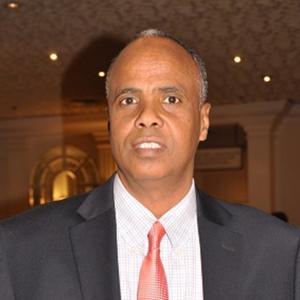
Joint Statement by the UN Humanitarian Coordinator in Lebanon, Imran Riza, and WHO Representative in Lebanon, Dr. Abdinasir Abubakar: A Call to Protect Health Care Workers and First Responders
28 March 2026
Beirut, 28 March 2026 -- Since 2 March 2026, at least 75 attacks affecting health care in Lebanon have been reported, resulting in 51 deaths and 126 injuries among on-duty healthcare personnel. These attacks have damaged critical health infrastructure, disrupted essential services, and further limited access to lifesaving care for communities already under immense strain.
Overnight, we witnessed yet another devastating incident targeting ambulances. At least nine paramedics were killed in three separate attacks in southern Lebanon as they were carrying out their duties. Seven others were injured. Paramedics and health workers continue to risk their lives every day to save others; they must be protected.
We are deeply concerned about this escalation of attacks killing and injuring paramedics. We mourn their loss, and all civilians killed and injured in this conflict.
This must stop, urgently.
This is a critical moment to uphold the rules of war. International humanitarian law is clear: the specific protection afforded to the medical mission — medical personnel, hospitals, ambulances — must be respected at all times. Constant care must be taken to spare all civilians and civilian objects. Medical assistance for the wounded and sick must be facilitated, not obstructed.
We call on all parties to respect International Humanitarian Law. Protecting the wounded and sick, medical personnel, facilities, and transports is essential to preserving humanity in war – saving lives and safeguarding critical services to those most in need.
*** END***



UN entities involved in this initiative
Goals we are supporting through this initiative